
Protect Your Foundation Before Water Gets In
Exterior Basement Waterproofing Toronto
Toronto properties are increasingly exposed to intense rainfall, rapid snowmelt, saturated soil and drainage systems that can become overwhelmed during severe weather. Exterior basement waterproofing adds a critical layer of protection around your property’s foundation, helping manage water before it has the chance to penetrate basement walls or cause costly interior damage. By addressing vulnerable areas from the outside and supporting proper drainage around the home, exterior waterproofing offers a proactive, long-term way to protect your foundation, finished basement space and the overall value of your property.
HOW EXTERIOR WATERPROOFING WORKS
What Is Exterior Basement Waterproofing?
Exterior basement waterproofing is a comprehensive method of stopping water before it can enter your basement. The process involves excavating the soil around the foundation, cleaning and repairing cracks or damaged areas, and applying a waterproof membrane to the exterior foundation walls. A protective drainage layer is then installed to direct groundwater down toward the weeping tile system, where it can be safely carried away from the home. Because it addresses moisture at its source, exterior waterproofing provides one of the most effective and long-lasting solutions for protecting a basement from leaks, mould, dampness and foundation damage.
FOUNDATION WATERPROOFING WARNING SIGNS
Signs Your Home May Need Exterior Basement Waterproofing
Water intrusion rarely starts all at once. In many Toronto homes, the warning signs appear gradually through damp walls, foundation cracks, poor drainage or moisture after heavy rain and snowmelt. Identifying these conditions early allows homeowners to protect the foundation proactively—before a small vulnerability becomes a larger basement waterproofing problem.
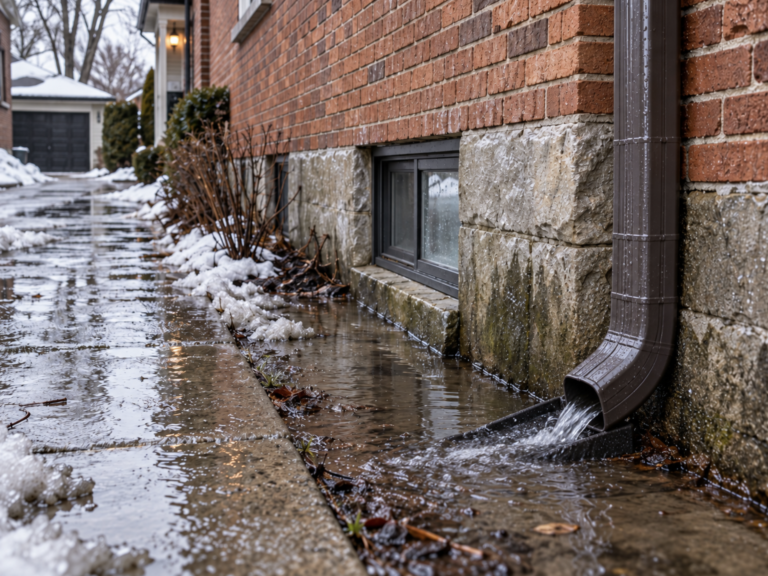
Water After Heavy Rain or Snowmelt
If your basement becomes damp or starts leaking during major rainfall or when snow begins to melt, water may be collecting against the outside of the foundation. Repeated moisture after weather events can be a sign that the existing waterproofing or drainage system is no longer providing enough protection.
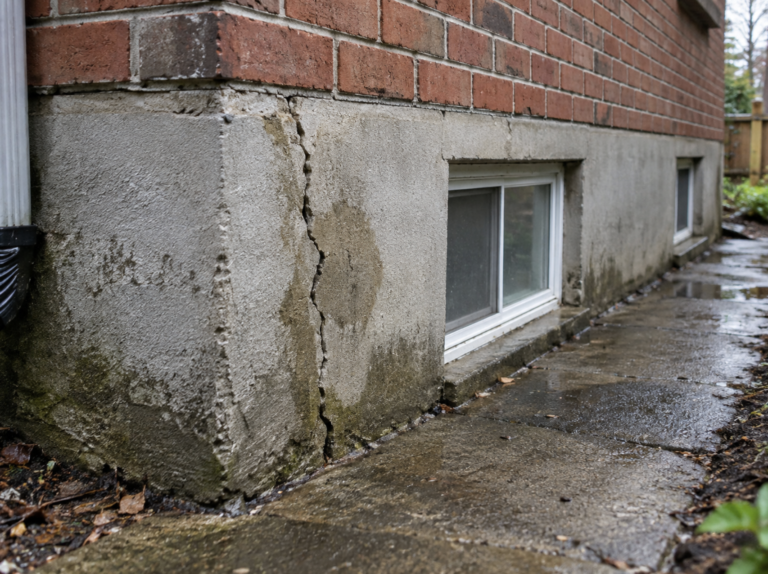
Cracks in Foundation Walls
Foundation cracks can give water a direct path into the basement, especially when the surrounding soil becomes saturated. Even small cracks can become more vulnerable over time as Toronto homes go through seasonal movement and repeated freeze-thaw cycles.
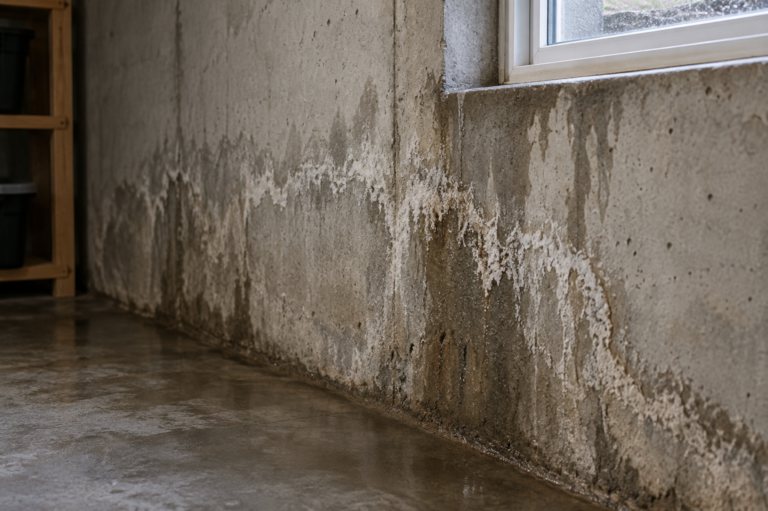
Damp, Musty or Discoloured Basement Walls
Persistent dampness, musty odours, staining, peeling finishes or white mineral deposits can all point to moisture moving through the foundation. These signs may appear gradually, which is why they are worth investigating before the problem develops into visible leaking or more extensive damage.
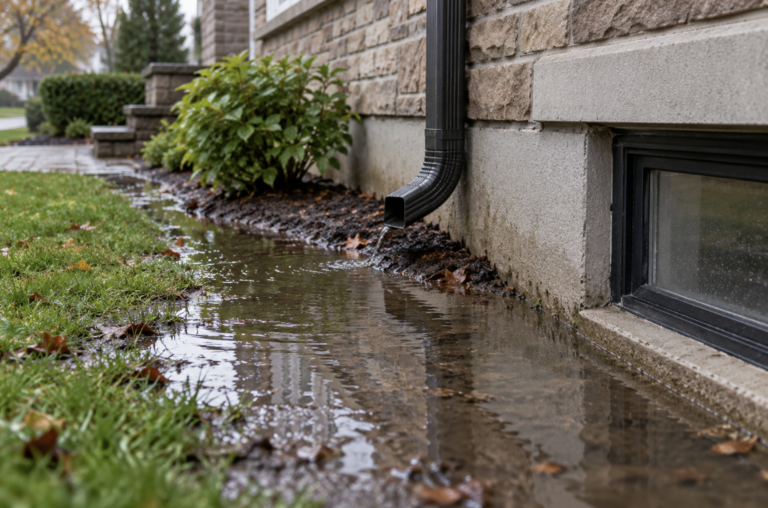
Pooling Water or Poor Drainage Around the Home
Water that collects near the foundation instead of draining away can increase pressure against basement walls and make moisture intrusion more likely. Poor grading, blocked drainage, aging weeping tile or areas where snow and rainwater regularly accumulate can all contribute to the problem.
Benefits of Exterior Basement Waterproofing
- Helps Prevent Basement Leaks
Exterior waterproofing creates a protective barrier at the outside of the foundation, helping stop water before it reaches the interior. - Protects the Foundation
Reducing moisture and water pressure against foundation walls can help limit cracking, deterioration and other water-related damage over time. - Reduces the Risk of Costly Repairs
Addressing water intrusion early can help prevent larger problems that may require more extensive foundation, masonry or interior repairs later. - Protects Finished Basement Space
A properly waterproofed foundation helps safeguard flooring, drywall, furniture, storage and other finished areas from moisture damage. - Provides Long-Term Protection
When paired with proper drainage, exterior waterproofing helps create a more durable system for managing heavy rain, snowmelt and saturated soil around the home.
FAQs
FAQs About Exterior Basement Waterproofing
What is exterior basement waterproofing?
Exterior basement waterproofing protects the foundation from the outside by helping stop water before it reaches the interior. The process can involve excavation, foundation repairs, waterproofing membranes, drainage board and improvements to drainage around the home.
How do I know if I need exterior waterproofing?
Common signs include water after heavy rain or snowmelt, foundation cracks, damp or discoloured basement walls, musty odours and water pooling near the foundation. An assessment can help determine whether the problem is best addressed from the exterior.
Is exterior waterproofing better than interior waterproofing?
Neither approach is automatically better in every situation. Exterior waterproofing addresses water at the outside of the foundation, while interior systems generally manage water after it reaches the basement. The right option depends on where the water is entering, access around the home and the condition of the foundation.
Can exterior waterproofing prevent basement flooding?
Exterior waterproofing can help reduce the risk of water entering through foundation walls, cracks and vulnerable areas, especially during heavy rain or snowmelt. It is one part of a broader water-management strategy that may also include proper grading, drainage and functioning weeping tile.
Do you have to excavate around the foundation?
In many exterior waterproofing projects, excavation is required to expose the foundation wall so it can be properly inspected, repaired and protected. The amount of excavation depends on the area being treated and access around the property.
What does an exterior waterproofing system include?
A typical system may include foundation preparation, crack or surface repairs, a waterproofing membrane, drainage board, weeping tile or drainage improvements, gravel and careful backfilling. The exact scope should be based on the condition of the home.
How long does exterior basement waterproofing last?
A properly installed exterior waterproofing system is intended to provide long-term protection, but lifespan depends on the materials used, drainage conditions, soil movement and the condition of the foundation. Proper installation and drainage are especially important.
Can older Toronto homes be exterior waterproofed?
Yes. Older Toronto homes can often benefit from exterior waterproofing, but they may require extra attention because of aging foundations, original masonry, narrow side yards, older drainage systems and previous repairs. The approach should be tailored to the home rather than treated as a one-size-fits-all project.
PROTECT YOUR FOUNDATION BEFORE WATER GETS IN
Stop Water at the Source. Protect Your Home for the Long Term.
Exterior basement waterproofing is one of the most effective ways to protect your home from moisture intrusion, foundation leaks and water-related damage. Otto’s Masonry approaches exterior waterproofing with careful attention to foundation preparation, crack repair, waterproofing membranes and drainage improvements that help defend the home from the outside in. By addressing water where it first reaches the foundation, our goal is to help reduce future problems, protect the structure of the home and provide lasting peace of mind for Toronto homeowners.