

Quick Answer
The best time of year for masonry repairs in Toronto is usually spring through early fall, when temperatures are mild and mortar can cure properly. Some urgent repairs can still be done in colder weather with the right protection, but planned brick repair, tuckpointing, chimney work, and concrete repairs are usually easier to schedule and complete during warmer, drier conditions. Toronto homeowners should not wait if the damage involves loose brick, water entry, a leaning chimney, or open mortar joints before winter.
Timing matters in masonry because brick, stone, mortar, concrete, and moisture all respond to weather conditions. A small crack in May may be a simple repair. The same crack left open through a wet fall and freezing winter can allow water to enter, freeze, expand, and create a larger problem by spring.
For Toronto and GTA homes, the best time to repair depends on the type of work, the condition of the masonry, and whether the issue is cosmetic, preventive, or urgent. Spring is often the best time to inspect winter damage. Summer is useful for larger planned repairs. Early fall is one of the last good windows before freeze-thaw weather returns. Winter can still work for certain repairs, but it usually needs more planning, protection, and judgment.
This guide explains how each season affects masonry repairs, what homeowners should watch for, and how to decide whether to repair now or wait for better weather.
Why Timing Matters for Masonry Repairs in Toronto
Masonry repairs depend on temperature, moisture, drying time, and protection from harsh weather. Mortar and concrete need proper conditions to bond, cure, and gain strength. If repairs are done during heavy rain, freezing temperatures, or extreme heat without proper care, the result may not last as well as it should.
Toronto homes deal with a wide range of seasonal conditions. Spring brings thawing, rain, and visible winter damage. Summer can bring heat, humidity, and strong sun exposure. Fall often brings rain, cooling temperatures, and the pressure to finish exterior repairs before winter. Winter brings freeze-thaw cycles, snow, ice, and shorter working windows.
Cold weather is especially important for mortar work. Technical guidance from the Canada Masonry Design Centre states that masonry and grout must be protected from freezing during early curing. The City of Markham’s builder guidance, based on Ontario Building Code requirements, also notes that mortar and masonry should be maintained at suitable temperatures during installation and after work is completed. Homeowners do not need to memorize these rules, but they should understand the main point: masonry work is not just about placing mortar. The weather during and after the repair matters.
That is why the best time for planned masonry repairs in Toronto is usually when temperatures are stable, the wall can dry, and the repair can cure without being rushed by freezing nights or heavy rain.
Spring: The Best Time to Inspect Winter Damage
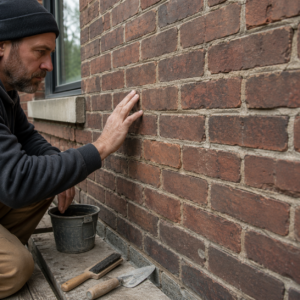
Spring is often the smartest time to inspect brick, stone, chimneys, concrete, and mortar joints because winter damage becomes easier to see after snow and ice are gone. It is also early enough to plan repairs before the busiest part of the masonry season.
During winter, water can enter small cracks and open joints. When it freezes, it expands. Over time, this can loosen mortar, push apart brick faces, and make existing damage worse. Once spring arrives, homeowners may notice new cracks, flaking brick, white staining, damp areas, or loose masonry that was not obvious before winter.
Spring is a good season for:
- Inspecting brick walls after freeze-thaw weather
- Checking chimneys for loose bricks, cracked crowns, or open joints
- Reviewing concrete steps, walkways, and porch edges
- Planning tuckpointing before summer schedules fill up
- Finding drainage issues caused by snowmelt and spring rain
- Deciding which repairs are urgent and which can be planned
Spring does have one caution: not every day is suitable for repair work. Early spring can still bring cold nights and wet conditions. A mason may recommend waiting until the wall is dry and temperatures are more consistent before starting mortar-heavy repairs.
If you see cracked brick, spalling, or mortar falling out after winter, it is worth reviewing brick repair options in Toronto before the damage spreads into surrounding areas.
Summer: A Strong Season for Planned Masonry Work
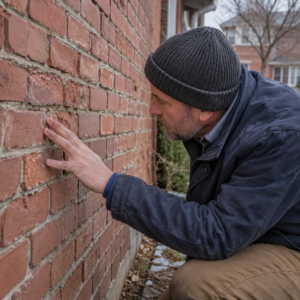
Summer is usually one of the best times for planned masonry repairs because temperatures are warmer, days are longer, and exterior walls usually have better drying conditions. This makes summer a strong season for larger brick repair, repointing, chimney work, stone repair, and concrete projects.
Summer is often a good fit for:
- Brick replacement and wall repair
- Tuckpointing and repointing
- Chimney repair or partial rebuilding
- Concrete step and porch repair
- Parging and foundation coating work
- Stone masonry repairs
- Larger projects that need several dry working days
However, summer is not ideal in every situation. Very hot weather can dry mortar too quickly if the work is not properly managed. Direct sun, dry wind, and heat can affect the curing process. Good masons adjust their approach by controlling moisture, protecting fresh work, and avoiding poor timing during extreme heat.
Summer also tends to be a busy season. If a homeowner waits until late summer to book a larger project, scheduling can become tighter. For repairs that need to be completed before winter, it is usually better to start the conversation in spring or early summer.
If your repair involves failing joints, tuckpointing in Toronto is often best handled before the wall goes through another winter. Repointing helps close open joints, reduce water entry, and protect brickwork from further freeze-thaw stress.
Early Fall: The Last Practical Window Before Winter
Early fall can be an excellent time for masonry repairs because temperatures are often cooler than in summer, but still workable. For many Toronto homeowners, September and early October are useful months for finishing repairs before cold weather returns.
Fall is especially useful for preparing the home for winter. Open mortar joints, chimney cracks, loose bricks, and water-prone masonry can worsen significantly once snow, ice, and freezing temperatures arrive.
Early fall is a good time for:
- Final tuckpointing before winter
- Repairing cracked or missing mortar
- Chimney repairs before heating season
- Fixing brick damage caused by summer storms or old moisture issues
- Addressing concrete cracks before freeze-thaw weather
- Checking drainage near foundations and masonry walls
The main risk in a fall is waiting too long. Late fall can bring cold nights, rain, and shorter curing windows. A repair that is easy to complete in September may require more protection in November or be delayed if conditions are not suitable.
Chimneys deserve special attention in the fall because they are exposed from every side and often take heavy weather. If the chimney has loose bricks, cracked mortar, a damaged crown, or signs of leaking, chimney repair in Toronto should be reviewed before winter makes the problem harder to manage.
Winter: Possible for Some Repairs, But Not Always Ideal
Winter masonry repair is possible in some cases, but it is usually not the best season for planned exterior work unless the repair is urgent or proper cold-weather protection is used. Mortar and masonry must be protected from freezing while the repair cures, which may require heating, covering, wind protection, or scheduling repairs for milder weather.
Winter repairs may be considered when:
- Loose bricks create a safety concern
- A chimney is unstable or leaking badly
- Water is actively entering the home
- Open joints allow drafts or moisture into a wall
- A temporary repair is needed to reduce further damage
- The work area can be properly protected
Winter may not be the best time for larger non-urgent projects, full facade work, decorative masonry, or repairs where appearance and curing conditions need extra control. This does not mean winter work is impossible. It means the decision should be based on the repair type, temperature, protection, and risk of leaving the damage untouched.
A useful way to think about winter masonry is this: urgent safety or water-entry problems should not be ignored just because it is cold, but planned cosmetic or non-urgent repairs are often better scheduled for spring or warmer weather.
What Problems Should Not Wait for the “Perfect” Season?
Some masonry problems should be checked right away, even if the timing is not ideal. Waiting for perfect weather can be risky when the damage affects safety, water entry, or structural stability.
Do not wait too long if you notice:
- Loose bricks that could fall
- A chimney that appears to lean or shift
- Large gaps in mortar joints
- Brick faces breaking apart or falling off
- Water stains inside the home near exterior masonry
- Damp basement walls near damaged brick or foundation areas
- Concrete steps or porch edges are becoming unsafe
- Cracks that widen quickly after rain or freezing weather
Water entry is one of the main reasons not to wait. The City of Toronto’s basement flooding guidance notes that homes can flood for many reasons and that municipal upgrades alone cannot fully protect every property. The City also requires property owners to follow mandatory downspout disconnection rules, which is a reminder that drainage around the home matters.
If water is being directed against brick, stone, concrete, or foundation walls, masonry repairs alone may not be enough. The water source should be corrected so that the repair is not exposed to the same problem again.
Best Timing by Type of Masonry Repair
Different masonry repairs have different timing needs. A small inspection can happen almost any time, whereas mortar- or concrete-heavy projects require better weather control.
Brick repair
Brick repair is usually best from spring through early fall. This gives the wall time to dry and gives the new mortar better curing conditions. Urgent brick repair may still be needed in winter if bricks are loose, cracked, or creating a safety concern.
Tuckpointing and repointing
Tuckpointing is usually best in mild weather, especially spring, summer, and early fall. Since the work involves removing damaged mortar and replacing it with new mortar, temperature and moisture conditions matter. Late fall and winter work may require extra protection.
Chimney repair
Chimney repair is best handled before winter, whenever possible. Chimneys face heavy exposure to rain, snow, wind, and freeze-thaw cycles. If damage appears in spring, summer is often a good time to repair it. If damage appears in the fall, it should be checked before the heating season and winter weather.
Concrete repair
Concrete repair is usually best during warmer months when curing conditions are easier to control. Steps, porches, and walkways should be repaired before winter, in case cracks or uneven areas could worsen with ice. Homeowners reviewing damaged steps or porch slabs can compare options through concrete repair in Toronto.
Parging and foundation-related masonry
Parging and foundation coating work usually benefits from dry, mild weather. If the area is damp, exposed to heavy rain, or affected by drainage problems, the cause of moisture should be reviewed first. For broader water concerns, basement waterproofing and moisture control may be part of the larger conversation.
Repair May Be Enough When…
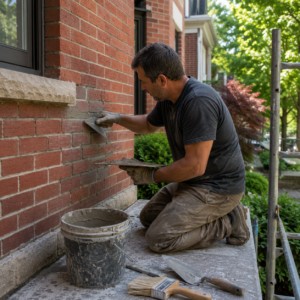
A smaller masonry repair may be enough when the damage is local, the wall is generally stable, and the issue is caught before water spreads through the masonry. This is why timing matters. Early repair often gives homeowners more options.
Repair may be enough when:
- Only a few bricks are cracked or spalling
- Mortar damage is limited to one section
- The chimney has minor joint deterioration but no major movement
- Concrete damage is shallow and does not affect safety
- Drainage problems have been corrected
- The wall dries normally after rain
In these cases, a targeted repair can often stop the problem from spreading. The best timing is usually before the next major wet or freezing season.
A Larger Fix May Be Needed When…
A larger repair may be needed when masonry damage is widespread, recurring, or connected to water movement. Cleaning, patching, or spot repairs may not be enough if the wall has deeper issues.
A larger fix may be needed when:
- Many bricks are spalling across the same wall
- Mortar joints are failing over a wide area
- The same cracks keep returning
- The chimney is leaning, loose, or badly deteriorated
- Water stains appear indoors after rain
- Foundation-area masonry stays damp for long periods
- Previous patch repairs are failing
Larger repairs usually benefit from planned scheduling. They may involve matching materials, staging the work, protecting nearby surfaces, and carefully choosing weather windows. For homeowners who are unsure where to start, reviewing the full range of masonry services in Toronto can help connect the visible problem with the right repair category.
What Homeowners Can Safely Check Each Season
Homeowners can do a simple visual check each season without scraping, grinding, or testing repairs themselves. The goal is to notice changes early and avoid waiting until damage becomes more expensive.
Spring checklist
- Look for new cracks after winter
- Check for flaking brick faces
- Look for white staining or damp areas
- Inspect chimneys from the ground for loose or uneven brick
- Check concrete steps and walkways for new cracks
Summer checklist
- Look at areas exposed to heavy sun and rain
- Check whether mortar joints are recessed or sandy
- Plan larger repairs before fall
- Review drainage around walls and foundations
Fall checklist
- Check open joints before freezing weather
- Look for water paths from gutters and downspouts
- Inspect chimneys before winter
- Repair unsafe concrete or loose masonry before ice arrives
Winter checklist
- Watch for falling brick pieces or mortar
- Note indoor dampness after snowmelt or rain
- Avoid pushing snow directly against masonry walls
- Call a mason if there is a safety concern

When to Call a Mason
Call a mason when the damage affects water entry, safety, structural stability, or repeated deterioration. It is also worth calling before winter if the wall has open mortar joints, spalling brick, chimney cracks, or unsafe concrete.
A mason can help decide whether the issue can wait for better weather or needs attention sooner. This is especially useful in Toronto because the weather can change quickly between seasons, and a small exterior issue can become more serious after freeze-thaw cycles.
It is also important to avoid assuming that every repair should wait until summer. Some problems are better handled quickly with proper protection than left exposed through winter. On the other hand, some cosmetic or non-urgent work may be smarter to schedule for spring or summer instead of forcing it into poor weather.
FAQs About the Best Time for Masonry Repairs in Toronto
What is the best month for masonry repairs in Toronto?
The best months for masonry repairs in Toronto are usually May through October, depending on the weather and the type of repair. Spring and early fall are often ideal because temperatures are milder and repairs can be completed before extreme heat or freezing weather.
Can masonry repairs be done in winter?
Some masonry repairs can be done in winter if the work is urgent and proper cold-weather protection is used. However, planned mortar-heavy repairs are usually easier and more reliable in warmer conditions.
Should I wait until spring to repair cracked brick?
You can sometimes wait until spring for minor cracked brick, but you should not wait if the brick is loose, spalling badly, or allowing water into the wall. In Toronto, damaged brick can worsen through freeze-thaw cycles.
Is the fall season too late for tuckpointing?
Early fall is often a good time for tuckpointing, but late fall can be harder because cold nights and wet weather reduce the window for good work. The wall condition and forecast should guide the timing.
When should chimney repairs be done?
Chimney repairs are best done in spring, summer, or early fall before winter weather adds more stress. If a chimney is loose, leaning, leaking, or showing mortar drop, it should be inspected as soon as possible.
Can rain affect masonry repairs?
Yes, rain can affect masonry repairs because fresh mortar and concrete need proper curing conditions. A mason may delay work, cover fresh repairs, or adjust scheduling when heavy rain is expected.
How often should I inspect my masonry?
Toronto homeowners should visually inspect exterior masonry at least twice a year, usually in spring and fall. These checks help catch winter damage, open joints, drainage issues, and chimney problems before they spread.
Final Answer
The best time of year for masonry repairs in Toronto is usually spring through early fall, with spring ideal for inspections and summer or early fall strong seasons for planned repair work. Winter repairs are possible for urgent issues, but they need proper cold-weather protection and careful judgment. Homeowners should not wait if the damage involves loose brick, water entry, failing mortar, unsafe concrete, or chimney movement before winter.