

Quick Answer
Toronto’s freeze-thaw cycle damages masonry when water enters brick, stone, concrete, or mortar, freezes, expands, and then thaws again. Over time, this movement can lead to cracked mortar joints, spalling brick, loose chimney bricks, damaged steps, parging failure, and water entry. The best repair depends on where the moisture is coming from, how far the damage has spread, and whether the masonry needs targeted repairs or a larger-scale restoration.
Toronto homeowners often notice masonry problems in spring, but the damage usually begins during winter. A brick wall, chimney, stone step, concrete porch, or parged foundation may look fine in the fall, then show cracks, flakes, stains, or loose material after months of freezing and thawing.
The frustrating part is that freeze-thaw damage rarely starts as a dramatic failure. It often begins with small openings, weak mortar, poor drainage, surface wear, or moisture trapped in the wrong place. Once water gets into masonry and freezes, it can slowly widen cracks, push apart joints, break brick faces, and weaken older repairs.
This guide explains how freeze-thaw damage happens, why Toronto homes are vulnerable, what signs homeowners should look for, which repair options may apply, and when it makes sense to call a mason before the damage spreads.
Why Freeze-Thaw Damage Matters for Toronto Homes
Freeze-thaw damage is a concern in Toronto because local homes experience cold winters, wet springs, snow, rain, ice, road salt, and repeated temperature changes near freezing. Masonry can withstand weather, but problems arise when it remains wet and repeatedly freezes.
Older Toronto homes in areas such as East York, The Annex, Rosedale, Forest Hill, The Beaches, North York, Etobicoke, and Scarborough may be especially vulnerable. Many have older brick, aging mortar, chimneys exposed on all sides, porch masonry near grade, and previous repairs that may not match the original materials well.
The City of Toronto’s Property Standards bylaw expects exterior walls and their components to be kept in good repair, weather-tight, and free from loose or unsecured materials. For homeowners, that means masonry damage is not just about appearance. Loose bricks, failed mortar, and water-damaged wall surfaces can become major maintenance concerns if ignored.
What Freeze-Thaw Means in Masonry
Freeze-thaw damage occurs when water enters masonry, freezes, expands, thaws, and reenters. Because water expands when it freezes, repeated cycles can place pressure inside pores, cracks, mortar joints, brick faces, stone surfaces, concrete, and parging.
The National Research Council of Canada has studied how moisture content and freeze-thaw cycles affect masonry materials, noting that the moisture level at freezing and the freezing rate are important durability factors. In plain terms, masonry is at greater risk when it is wet during freezing conditions.
This is why two homes on the same street can age differently. A wall with good drainage, sound mortar, and proper drying may last well. Another wall with clogged gutters, hard mortar patches, trapped moisture, or repeated splashback can deteriorate faster, even if the brick looks similar from the street.
How Water Gets Into Masonry
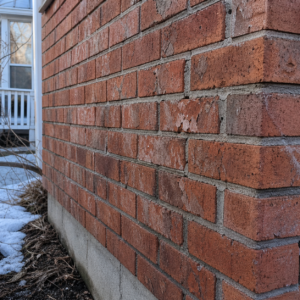
Water can enter masonry through small cracks, open mortar joints, damaged brick faces, poor flashing, chimney crowns, gaps around openings, weak parging, and areas where water sits near the wall. Most freeze-thaw problems start with a moisture path.
Common moisture entry points include:
- Cracked or missing mortar joints.
- Spalled, chipped, or porous brick faces.
- Damaged chimney crowns, caps, or flashing.
- Downspouts that drain too close to masonry.
- Garden beds or soil sitting against lower brick walls.
- Porch areas, steps, and walkways that trap snow or runoff.
- Old patch repairs that no longer seal or breathe properly.
- Paints or sealers that trap moisture inside the wall.
Once water has a path in, winter can make the problem worse. A small joint crack can become a larger opening. A damp brick face can begin to flake. A chimney can lose mortar near the upper courses. Lower walls may begin to show salt staining, crumbling, or early spalling.
Why Mortar Often Fails First
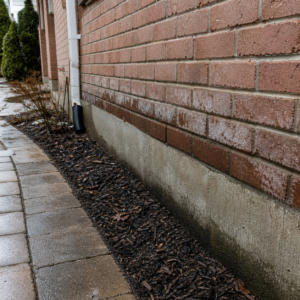
Mortar often fails before the brick because it sits between masonry units and is directly exposed to water, wind, temperature changes, and movement. When mortar joints crack or recede, they let more moisture reach the sides and backs of the brick.
In Toronto, this is one of the most common freeze-thaw warning signs. A homeowner may first see small gaps, soft mortar, powdery joints, or hairline cracks. After one or two winters, those weak joints may deepen, allowing more water into the wall.
Mortar failure is also important because it can make brick repair less effective if ignored. Replacing damaged bricks without dealing with failing joints may leave the wall exposed to the same moisture problem. For many homes, tuckpointing in Toronto or repointing may be needed to restore the joints and reduce future water entry.
How Freeze-Thaw Damages Brick
Freeze-thaw damage can cause brick faces to flake, chip, crack, pop, or crumble. This is commonly called brick spalling, and it often occurs after winter, when moisture inside the brick expands during freezing conditions.
Some spalling starts near weak mortar joints. Other times, it appears on lower walls, chimneys, porch masonry, or areas exposed to salt and splashback. Once the face of a brick breaks away, the brick can absorb even more moisture, which may speed up the damage.
Not every chipped brick needs immediate replacement. However, if several bricks are flaking, if the damage is spreading, or if the brick feels soft and crumbly, it should be assessed. Otto’s Masonry provides brick repair in Toronto for cracked, deteriorating, spalled, and weather-damaged brickwork.
Why Chimneys Are Especially Vulnerable
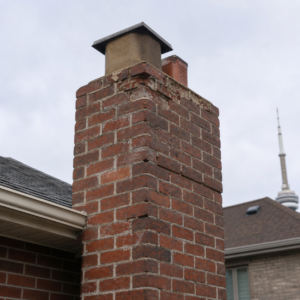
Chimneys are vulnerable to freeze-thaw damage because they are exposed to the weather on all sides. Rain, snow, wind, ice, and temperature changes affect the upper brickwork more heavily than many protected wall sections.
A chimney with cracked mortar, missing caps, crown damage, poor flashing, or open joints can quickly absorb water. When that water freezes, it can loosen upper brick courses, widen mortar cracks, and cause visible spalling. This is why chimney problems often become easier to see after winter.
Homeowners should take chimney freeze-thaw damage seriously because it can affect both water protection and stability. If the chimney has loose bricks, deep cracks, leaning, missing mortar, or recurring leaks, Otto’s chimney repair Toronto service may be more appropriate than a simple surface patch.
Why Lower Walls, Steps, and Parging Suffer
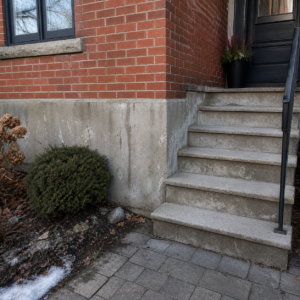
Lower walls, front steps, porch masonry, concrete edges, and parged foundations often suffer from exposure to water, snow, salt, and splashback. These areas may remain wet longer than the upper walls and experience more freeze-thaw stress.
Snow can pile against the base of a wall. Downspouts can discharge too close to the foundation. Walkways and driveways can splash water and salt onto brick or concrete. Soil and mulch can hold moisture against masonry. Over time, these conditions can cause flaking brick, cracked concrete, failing parging, loose mortar, and stained surfaces.
Parging is especially sensitive when moisture gets behind it. If the coating cracks or separates from the foundation wall, freezing water can push it outward, causing further peeling or hollow sections. The visible failure may be the parging, but the underlying issue may be moisture movement or poor surface preparation.
Problem Signs Homeowners Should Watch For
Freeze-thaw masonry damage often shows up as cracking, flaking, loose material, moisture staining, or repeated failure in the same area. These signs are easier to spot after winter and during the spring thaw.
- Spalling, flaking, or crumbling brick faces.
- Cracked, recessed, powdery, or missing mortar joints.
- Loose brick pieces on the ground near walls or chimneys.
- White staining, also called efflorescence.
- Cracks in concrete steps, porch edges, or walkways.
- Peeling, cracked, or hollow-sounding parging.
- Water staining near exterior walls or inside the home.
- Chimney brickwork that looks loose, uneven, or weathered.
- Damage near downspouts, garden beds, steps, or driveway edges.
One small crack does not always mean there is a major problem. The concern grows when damage spreads, recurs after repairs, occurs near structural areas, or is associated with water intrusion. Otto’s has also covered seasonal issues in its guide to winter damage and spring repairs for Toronto brick and stone.
Repair Options for Freeze-Thaw Masonry Damage
The right repair depends on what is damaged and why moisture is getting into the masonry. A good repair should address both the visible damage and the water source behind it.
- Tuckpointing or repointing: Used when mortar joints are cracked, recessed, soft, or missing.
- Brick replacement: Needed when bricks are badly spalled, loose, cracked, or too deteriorated to remain in place.
- Chimney repair: Needed when freeze-thaw damage affects chimney brick, mortar, crown areas, caps, or upper courses.
- Concrete repair or replacement: Used when steps, porches, walkways, or concrete edges are cracked, shifting, or breaking down.
- Parging repair: Used when the foundation coating is cracked, peeling, hollow, or separating from the wall.
- Drainage correction: Needed when downspouts, grading, splashback, or water pooling continue to wet the masonry.
For older homes, the repair should also consider material compatibility. The Ontario Building Code regulation includes masonry-related requirements within broader construction standards, while the Canada Masonry Design Centre also provides resources on masonry construction standards. For homeowners, the key takeaway is simple: masonry repairs should be done with suitable materials and a clear understanding of how the wall manages moisture.
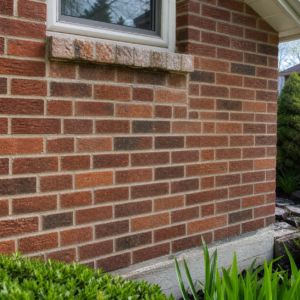
Homeowner Decision Guide
A small repair may be enough when the damage is isolated, the wall is stable, and the moisture source is simple to correct. A larger repair may be needed when the damage is widespread, repeated, structural, or connected to ongoing water exposure.
Monitor the area when:
- There is one small surface crack or chip.
- The wall dries normally after rain.
- No mortar is missing.
- No bricks are loose or crumbling.
- The damage has not changed over time.
Plan a repair when:
- Mortar joints are open, soft, or recessed.
- Several bricks are spalling or cracking.
- Parging is peeling or hollowing.
- Concrete steps are cracked or holding water.
- Damage appears near downspouts, grade level, steps, or porches.
Call a mason sooner when:
- Bricks are loose or falling out.
- The chimney is leaning, cracking, or shedding brick pieces.
- Water is entering the home.
- A wall is bulging, shifting, or cracking in a pattern.
- Previous repairs keep failing after winter.
What Homeowners Can Safely Check Themselves
Homeowners can safely inspect visible masonry from the ground after winter, after heavy rain, and before fall. The goal is not to diagnose every detail, but to notice patterns before they become expensive problems.
Walk around the home and look at the lower walls, porch areas, front steps, visible sections of the chimney, brick near downspouts, garden edges, and any area where snow or water collects. Take photos of cracks, spalling, missing mortar, white staining, and peeling parging. Compare the same spots over time to see if the damage is spreading.
Do not grind out mortar, remove bricks, climb onto roofs, patch chimney joints, or seal damaged masonry without understanding the moisture source. A quick surface fix can hide the problem and sometimes trap more water inside the wall.
When to Call a Mason
You should call a mason when freeze-thaw damage is spreading or recurring, affecting a chimney, loosening bricks, allowing water entry, or damaging mortar joints across a larger area. These are signs that the masonry may need more than a simple patch.
A proper masonry assessment should examine the material condition, moisture sources, drainage, mortar joints, brick faces, wall movement, and prior repairs. For Toronto homes, this is especially important because older masonry may need careful mortar matching and repair methods that allow the wall to dry properly.
If you are unsure whether the damage is minor or part of a larger issue, you can contact Otto’s Masonry to discuss brick repair, tuckpointing, chimney repair, concrete damage, parging, or related masonry concerns.
FAQs About Freeze-Thaw Masonry Damage
What is freeze-thaw damage in masonry?
Freeze-thaw damage happens when water enters masonry, freezes, expands, and then thaws again. Repeated cycles can crack mortar, spall brick, damage concrete, loosen chimney bricks, and weaken older repairs.
Why is freeze-thaw damage common in Toronto?
Toronto homes deal with winter freezing, spring thaw, rain, snow, ice, and repeated temperature changes around freezing. Masonry that stays wet during these cycles is more likely to crack, flake, or deteriorate.
What masonry areas are most vulnerable to freeze-thaw damage?
Chimneys, lower brick walls, porch masonry, concrete steps, parging, retaining walls, and areas near downspouts or poor drainage are often more vulnerable because they receive more direct moisture exposure.
Can freeze-thaw damage be repaired?
Yes, but the repair depends on the extent of the damage. Some areas need tuckpointing, while others may need brick replacement, chimney repair, concrete repair, parging repair, or drainage correction.
Does sealing masonry prevent freeze-thaw damage?
Not always. A suitable product may help in some cases, but the wrong sealer can trap moisture and worsen damage. The moisture source and wall condition should be assessed first.
When should I inspect masonry after winter?
Spring is a good time to check for spalling brick, cracked mortar, peeling parging, chimney damage, and water stains. It is also wise to inspect before fall so repairs can be planned before freezing weather returns.
Can poor drainage make freeze-thaw damage worse?
Yes. Downspouts, clogged gutters, poor grading, splashback, and snow buildup can keep masonry wet. Wet masonry is more vulnerable when temperatures drop below freezing.
Final Answer
Toronto’s freeze-thaw cycle damages masonry by turning trapped moisture into expanding ice inside brick, stone, concrete, mortar, chimneys, steps, and parging. The visible damage may include cracking, spalling, loose mortar, peeling parging, or chimney deterioration, but the real issue is often repeated exposure to water.
Small, isolated damage may only need monitoring or targeted repair, but spreading damage, water entry, loose bricks, chimney issues, and repeated winter failures should be assessed by a mason. The strongest repair approach fixes the damaged masonry and addresses the moisture source so the same problem does not return after the next freeze-thaw season.