

Quick Answer
Tuckpointing and repointing are closely related, but they are not always the same thing. Repointing usually means removing damaged mortar from masonry joints and replacing it with new mortar, while tuckpointing is often used by homeowners as a broad term for mortar joint repair, although it traditionally refers to a more decorative joint finish. For Toronto homes, the most important issue is not just the name of the service, but whether the mortar is failing, whether the new mortar is compatible, and whether the repair can handle local moisture and freeze-thaw conditions.
If you own a brick home in Toronto or the GTA, you may hear masons, neighbours, inspectors, and online articles use the words tuckpointing and repointing in slightly different ways. That can make it confusing when you are trying to understand what your wall, chimney, porch, or foundation-facing brickwork actually needs.
The simple way to look at it is this: both services deal with the mortar between bricks or stones. Mortar is not just filler. It helps hold masonry units in place, manages moisture movement, supports the wall’s appearance, and protects the deeper parts of the assembly from weather exposure. When mortar starts cracking, crumbling, falling out, or pulling back from the wall’s face, the masonry becomes more exposed to water and seasonal damage.
This guide explains the difference between tuckpointing and repointing, why the distinction matters in Toronto, what warning signs homeowners should watch for, and when it makes sense to call a mason for a proper assessment.
What Repointing Means
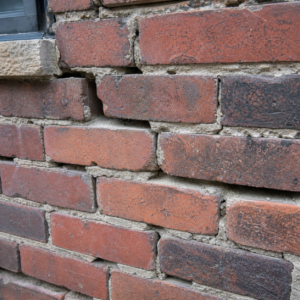
Repointing means removing deteriorated mortar from the joints between bricks or stones and replacing it with new mortar. The goal is to restore the joint so the wall can shed water properly, protect the masonry units, and regain a cleaner, more stable appearance.
Good repointing is not simply rubbing fresh mortar over old joints. The loose or damaged mortar should be removed to a suitable depth, the joint cleaned, and the replacement mortar packed properly into the joint. If this is done poorly, the new mortar may not bond properly, may fail early, or may trap moisture where it should not.
On older Toronto homes, repointing deserves extra care because the brick and original mortar may be softer than modern materials. The National Research Council of Canada notes in its guidance on repointing mortars for older masonry that repointing mortar should be compatible with the masonry units, the original mortar, the building character, and the likely causes of deterioration. That is why a one-size-fits-all mortar mix is rarely the best answer for every older wall.
What Tuckpointing Means
Tuckpointing is often used in everyday conversation to mean mortar joint repair, but the traditional meaning is more specific. Historically, tuckpointing refers to a decorative technique in which mortar is finished to create the appearance of fine, neat joints, often using contrasting colours or a thin-line effect.
In modern homeowner language, especially around Toronto, many people say “tuckpointing” when they mean “my mortar joints need repair.” That is why many masonry contractors use the term to describe practical mortar-joint restoration, even when the project is technically a repointing rather than decorative tuckpointing.
For homeowners, the main question should not be whether the job is labelled perfectly. The better question is whether the mason will properly remove failed mortar, use a suitable replacement mix, match the joint finish, and protect the surrounding brick from unnecessary damage. Otto’s Masonry offers tuckpointing in Toronto for homeowners who need mortar joint repair, repointing, and careful work on older or weathered masonry.
Why This Matters for Toronto Homes
Toronto masonry deals with repeated exposure to moisture, snow, ice, rain, and freeze-thaw cycles. When water gets into open mortar joints and then freezes, it expands. Over time, this can push mortar apart, loosen brick faces, and increase the chance of spalling, cracking, leaks, and chimney damage.
Older homes in neighbourhoods such as East York, The Annex, Rosedale, The Beaches, Forest Hill, North York, Etobicoke, and Scarborough may have brick-and-mortar systems that have already endured decades of weather exposure. Some have also been patched with hard cement-based materials that do not match the original masonry well. In those cases, the wrong repair can sometimes create more stress in the brick rather than solve the problem.
The City of Toronto’s Property Standards bylaw also expects exterior walls and their components to be kept in good repair and free from loose or unsecured materials. That does not mean every small crack is an emergency, but it does show why exterior masonry maintenance is not just about appearance. Loose mortar, unstable brickwork, and deteriorated wall surfaces can become more serious property issues if ignored.
Signs Your Mortar Joints May Need Attention
Mortar joints may need tuckpointing or repointing when they are no longer protecting the wall properly. Homeowners can often spot early warning signs before the damage spreads.
- Mortar is cracked, powdery, or falling out in small pieces.
- Joints look recessed or hollow compared with the brick face.
- Bricks feel loose or appear to be shifting.
- There are gaps where water can sit or enter the wall.
- Brick faces are flaking, peeling, or spalling near weak joints.
- Interior drafts or moisture appear near exterior brick walls.
- Chimney mortar looks washed out, cracked, or missing near the top courses.
- Previously patched areas differ in colour, texture, or hardness and are starting to fail.
If the issue is limited to a small section, a targeted mortar repair may be enough. If the damage spans a larger wall, chimney, porch, or older façade, the project may require a broader masonry repair plan. For brick damage beyond the mortar joints, Otto’s brick repair Toronto service may be more relevant than mortar repair alone.
Why Mortar Fails in the First Place
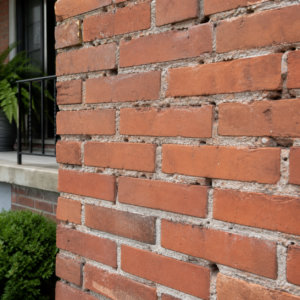
Mortar often fails because of age, moisture exposure, weather cycles, poor drainage, hard previous repairs, salt exposure, or movement in the masonry assembly. In Toronto, freeze-thaw damage is one of the biggest long-term stress factors.
When mortar is healthy, it helps the wall manage moisture. When it breaks down, water has more ways to enter. Once water enters deeper joints, winter freezing can worsen the damage. This is why small mortar gaps often grow into larger masonry issues after several seasons.
Previous repairs can also be part of the problem. A hard mortar patch may look strong at first, but if it is not compatible with softer, older brick, the brick can take more of the stress. That may lead to cracked faces, spalling, and uneven deterioration. Parks Canada’s guidance on conserving heritage buildings highlights the importance of appropriate conservation methods for older building materials, which is especially relevant for older Toronto masonry.
Tuckpointing vs Repointing: The Practical Difference
The practical difference is that repointing is the repair process of replacing deteriorated mortar, while tuckpointing may refer either to that broader repair work or to a more decorative joint finish. In many residential conversations, the terms overlap.
Here is a simple way to compare them:
- Repointing: Best understood as the technical process of removing failed mortar and replacing it with new mortar.
- Tuckpointing: Often used by homeowners to describe mortar joint repair, but traditionally refers to a finished joint technique that can create a cleaner or more refined appearance.
- What homeowners should focus on: Proper joint preparation, compatible mortar, good workmanship, and a finish that suits the existing brickwork.
In other words, do not get stuck on the label alone. A good mason should be able to explain what is failing, what will be removed, what type of mortar will be used, how the joints will be finished, and whether nearby bricks also need repair.
Repair Options for Failing Mortar
The right repair option depends on how much mortar has failed, whether the brick is still sound, and whether water is causing ongoing damage. Some walls only need isolated joint repair, while others need a more complete repointing plan.
- Spot repointing: Useful when only a few joints are cracked, recessed, or missing.
- Full wall repointing: Better when mortar deterioration is widespread across a large section of the wall.
- Chimney tuckpointing or repointing: Important when the chimney has open joints, loose upper courses, or a risk of water entry.
- Brick replacement with repointing: Needed when damaged mortar is combined with cracked, loose, or spalled bricks.
- Restoration-style mortar work: More suitable for older homes where matching strength, colour, joint profile, and breathability matters.
Chimneys often need special attention because they are exposed on all sides and take more direct weather impact than many wall areas. If the issue is around a chimney, homeowners may need chimney repair in Toronto along with mortar joint repair.
Homeowner Decision Guide
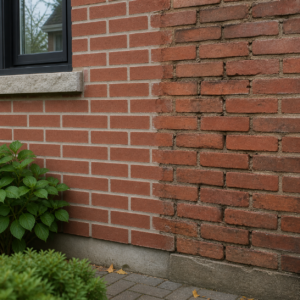
A small mortar repair may be enough when the damage is isolated, the bricks are still solid, and there are no signs of ongoing moisture problems. A larger repair may be needed when mortar failure is widespread, bricks are loose or spalling, or the same area has already been patched before.
Repair may be enough when:
- Only a few joints are cracked or missing.
- The surrounding bricks are still firm and intact.
- The wall is not bulging, leaning, or showing major movement.
- The issue was caught early before water damage spread.
A larger fix may be needed when:
- Mortar is failing across a large section of the wall.
- Bricks are loose, cracked, or flaking.
- There are signs of water getting inside the home.
- The chimney is unstable, leaning, or losing upper brick courses.
- Previous mortar repairs are failing again.
For many Toronto homes, the safest path is to have the area assessed before choosing between a small repair and a larger restoration. A cheap patch may seem practical at first, but it can become expensive if it traps moisture or ignores deeper deterioration.
What Homeowners Can Safely Check Themselves
Homeowners can do a simple visual check without scraping, grinding, climbing, or disturbing the wall. Look for missing mortar, cracks, soft, powdery joints, loose bricks, staining, and areas where water collects on masonry.
After heavy rain or winter thaw, walk around the outside of the home and look closely at the lower walls, chimney areas visible from the ground, porch edges, front steps, and areas near downspouts. If the mortar looks recessed or open, take photos from a safe distance and compare the same area after a few weeks. If the damage is spreading, it should not be ignored.
Do not try to grind out mortar, remove bricks, or work on a chimney without proper training and equipment. Mortar work may look simple from the outside, but poor joint removal can damage brick edges, weaken surrounding masonry, and create a finish that does not last.
When to Call a Mason
You should call a mason when mortar is missing, joints are visibly open, bricks are loose, water is entering, or the damage is near a chimney, porch, retaining wall, or older brick façade. It is also wise to get help when you are unsure whether the issue is just mortar or part of a larger masonry problem.
Toronto homeowners should be especially cautious before winter. Open joints and cracked mortar can absorb water, and freezing temperatures can worsen existing damage. Otto’s has also covered seasonal masonry concerns in its guide to winter damage and spring masonry repairs for Toronto brick and stone, which is useful if you are checking your home after freeze-thaw weather.
If you are comparing quotes, ask each contractor how they will remove the damaged mortar, what mortar type they plan to use, how they will match the existing joints, and whether any bricks need repair or replacement. The Ontario government’s Building Code regulation is not a homeowner’s how-to guide, but it does show that masonry construction and repair work exist within a broader safety and building performance context.
FAQs About Tuckpointing and Repointing
Is tuckpointing the same as repointing?
Not exactly. Repointing usually means replacing deteriorated mortar, while tuckpointing can refer to a decorative joint finish or, in everyday use, general mortar joint repair. Many homeowners use the terms interchangeably, so it is better to ask what work will actually be done.
How do I know if my Toronto home needs tuckpointing?
Your home may need tuckpointing or repointing if the mortar is cracked, missing, powdery, recessed, or letting water into the wall. In Toronto, these issues should be addressed before repeated freeze-thaw cycles worsen the damage.
Can I just patch over damaged mortar?
Patching over damaged mortar is usually not a lasting fix. If loose mortar is not removed and the joint is not prepared properly, the new material may fail early or trap moisture behind the repair.
Does failing mortar mean the bricks also need replacement?
Not always. If the bricks are still solid, repointing may be enough. If the bricks are cracked, loose, spalling, or badly weathered, brick repair or replacement may also be needed.
Is tuckpointing important for chimneys?
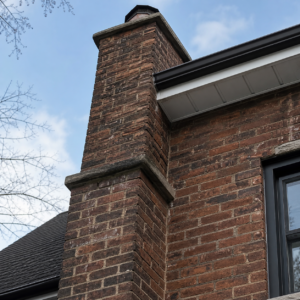
Yes. Chimneys are highly exposed to rain, snow, wind, and freezing temperatures. Open chimney joints can allow water entry and may lead to loose bricks, crown damage, or the need for a larger chimney repair.
What mortar should be used on older Toronto homes?
The right mortar depends on the age, brick type, existing mortar, wall condition, and exposure. Older masonry may need a compatible mortar that is not too hard for the brick, so it should be assessed before repair.
When is the best time to repair mortar joints in Toronto?
Spring, summer, and fall are usually practical times for mortar work, depending on weather and site conditions. Winter work may be possible in some cases, but temperature, curing, and protection need to be considered carefully.
Final Answer
Tuckpointing and repointing both address failing mortar joints, but repointing is the more precise technical term for removing and replacing damaged mortar. Tuckpointing is often used more broadly by homeowners, though it can also describe a more decorative joint finish. For Toronto homes, the best results come from proper joint preparation, compatible mortar, careful finishing, and an honest assessment of whether the issue is isolated or part of a larger masonry problem.
If your mortar joints are cracked, missing, recessed, or letting water into the wall, it is worth getting the area assessed before the damage spreads. You can contact Otto’s Masonry to discuss tuckpointing, repointing, brick repair, or related masonry concerns for your Toronto home.