

If you are looking for affordable masonry restoration services in Toronto, the goal is not to find the cheapest contractor. The goal is to find a contractor who understands the true condition of the masonry, clearly explains the scope, and provides a repair plan that solves the problem without pushing unnecessary work. In masonry, the lowest number on paper is not always the most affordable choice once material matching, durability, and long-term repair quality are taken into account.
For homeowners in Toronto, East York, North York, Rosedale, Forest Hill, The Annex, Etobicoke, The Beaches, and Scarborough, affordability usually comes from getting the right repair at the right time. A wall that only needs targeted restoration today may need a much bigger rebuild next year if moisture keeps getting in. That is why value matters more than a fast quote or a bargain price that leaves important work out.
Masonry restoration also sits in a tricky middle ground. It is more involved than a small cosmetic patch, but it is not always a full rebuild either. The right contractor should be able to tell you where your project sits on that scale. That kind of honest scope definition is one of the biggest things that keeps restoration work affordable in the long run.
What masonry restoration involves in Toronto
Masonry restoration in Toronto can include brick restoration, tuckpointing and repointing, selective brick replacement, chimney repair, lower wall restoration, stone masonry correction, and visible façade work, with the goal of restoring performance and appearance without rebuilding everything from scratch.
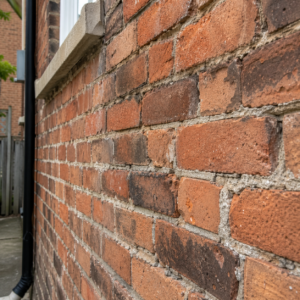
In practical terms, restoration usually means the masonry has aged, weakened, or become uneven enough that simple patching is no longer the best answer. Mortar joints may be crumbling. Brick may be flaking or mismatched from earlier repairs. A chimney may still be standing, but is losing material. A front wall may still be stable, but visibly deteriorating. Restoration is about returning that masonry to a better condition before the damage spreads further.
This is where homeowners often get confused, because restoration can sound expensive before the wall is inspected. In reality, a well-planned restoration project is often the cost-conscious option because it retains more of the existing masonry, focuses on the areas that actually need work, and avoids premature full replacement where it is unnecessary.
What makes one masonry restoration quote more affordable than another
An affordable quote is not just a smaller number. It is a quote that fits the wall’s actual condition. One contractor may recommend selective restoration because the damage is mostly in the mortar joints and a few visible brick sections. Another may quote a full rebuild because it is simpler for them to sell or install. Those two numbers may be very different, but only one of them may truly fit what the home needs.
Affordability also comes from clarity. A strong quote should tell you what is being restored, why it is needed, and whether the contractor expects the work to remain targeted or expand once the damaged material is opened up. If the estimate is vague, it is harder to tell whether the price is genuinely efficient or simply incomplete.
It also helps when the contractor handles a wide enough range of masonry services to see the whole problem. A restoration issue may overlap with brick repair, mortar failure, chimney wear, damage to lower walls, or moisture-related deterioration. A contractor who sees those connections is more likely to recommend the right scope and avoid both underselling and overselling the job.
Common masonry restoration problems we solve in Toronto
Weathered front façades
Many Toronto homes have front walls that still look structurally intact but have clearly started to age. Mortar joints recede, brick faces wear down, and previous patchwork becomes more obvious over time. A targeted restoration can often improve both appearance and durability without turning into a full rebuild.
Failing mortar joints
Mortar failure is one of the most common reasons masonry needs restoration. Once the joints begin to crack, crumble, or wash out, the wall becomes more vulnerable to water and freeze-thaw stress. Restoration often starts here because preserving the brick is easier and cheaper when the joints are addressed before deeper deterioration sets in.
Mismatched previous repairs
Some homes already had masonry work done years ago, but the repair no longer blends in or has started to fail. Restoration can help correct those older patches and bring the wall back to a more consistent look.
Chimneys with visible age and wear
Chimneys are among the most common areas where homeowners opt for restoration rather than waiting for a full rebuild. If the chimney is deteriorating but still repairable, a planned restoration can often save money compared with waiting until the structure becomes significantly more unstable.
Lower wall and foundation-facing deterioration
At the base of the home, splashback, salt, snow, and recurring moisture create conditions that often cause masonry to age faster. Restoration work here may also overlap with parging and foundation coating or basement waterproofing, depending on the wall condition.
Step-by-step: how we handle masonry restoration projects
Initial inspection and quote
We begin by assessing the visible condition of the masonry and mortar joints, the extent of material wear, and whether the damage is mostly cosmetic, partly structural, or related to moisture exposure. This stage matters because restoration remains affordable only when the wall is properly diagnosed from the start.
After that, we provide a clear quote and explain what should be restored now, what may need monitoring, and whether the project also calls for related repair services. That helps homeowners compare real value rather than comparing incomplete numbers.
Planning, materials, and scheduling
Once the scope is approved, we plan the restoration around weather, access, material matching, and the area’s visibility. In Toronto homes, that usually means carefully considering mortar colour, joint style, brick size, and how the restored section will blend with the existing wall.
This stage also matters for affordability. Good planning often prevents the project from becoming more disruptive or expensive than it needs to be. It is much easier to keep a restoration efficient when the repair sequence is built around the actual wall condition.
On-site work and quality checks
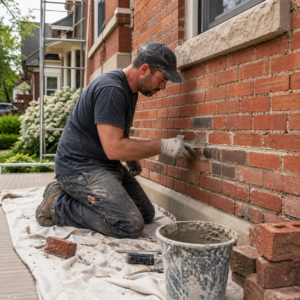
During the work, deteriorated material is carefully removed, damaged areas are restored using methods suited to the wall, and the repaired sections are checked for fit, consistency, and overall finish quality. A proper restoration should look more like a corrected original wall than a series of visible patches.
Why the cheapest masonry restoration quote can cost more later
A low quote often looks attractive when the wall damage seems limited. The problem is that low numbers are sometimes achieved by pricing too little prep, too little mortar work, weak matching, or an oversimplified repair scope. That may keep the estimate down, but it can also shorten the project’s lifespan and leave the homeowner paying again much sooner than expected.
This is especially true on visible walls and older homes. Poor restoration work can hurt both appearance and durability. A mismatched repair on a front façade does not just look weaker. It can also leave adjacent masonry exposed to continued wear if the underlying problem was not properly addressed.
Real affordability usually means spending enough to solve the problem correctly while avoiding unnecessary work that the home does not actually need. That balance is where a good restoration contractor earns their value.
Local factors in Toronto that affect restoration costs and timing
Toronto’s freeze-thaw climate is one of the main reasons masonry restoration becomes necessary. Moisture seeps into weak mortar joints and exposed brick surfaces, then expands when temperatures drop, which can accelerate deterioration. NRC Canada has published work on moisture content and freeze-thaw cycles in masonry materials that helps explain why that pattern matters so much in Canadian conditions. You can review that here: NRC Canada masonry freeze-thaw resource.
Toronto’s Property Standards chapter includes standards for exterior walls, steps, walks, driveways, and heritage properties, which are relevant because restoration projects often affect several of these elements at once. You can review that here: City of Toronto Property Standards.
If the property is heritage-designated, the City’s heritage permit process may also affect the scope or timing of exterior masonry restoration. You can review that here: City of Toronto Heritage Permit Guide.
Key questions homeowners ask about affordable masonry restoration
How do I know if I need restoration instead of a small repair?
If the damage is spread across a wider section of the wall, the mortar is failing in several areas, or previous patches already look inconsistent, restoration may be the better option. A good contractor should be able to explain where the project sits on that scale.
Can restoration help me avoid a rebuild?
Often, yes. That is one of the biggest reasons homeowners choose it. If the wall is still largely sound, restoration can preserve more of the original masonry and keep the project smaller in scope.
Why are some restoration quotes much lower than others?
Usually, the scope is smaller, weaker, or missing important parts of the work. A lower quote may not include the prep, matching, or surrounding repair work that actually makes the restoration last.
Should I restore visible masonry before it gets worse?
Usually yes. Once the wall starts taking on more moisture or losing more mortar, the project often becomes larger and more expensive.
What if my home is older or heritage-style?
Then restoration should be approached more carefully. Older masonry often needs better material matching and a more thoughtful repair plan than newer walls.
Can I phase masonry restoration over time?
Sometimes. That depends on the wall condition and which areas are most exposed or most urgent. A good contractor should be able to tell you whether staging the work makes sense.
What to expect when you contact us
- You tell us what masonry issue or visible deterioration you have noticed.
- We arrange an inspection or estimate.
- We assess the wall and explain what restoration or related repairs are needed.
- We provide a clear quote and recommended scope.
- We schedule the work and complete it with care and proper site handling.
When you are ready to discuss the next step, contact us.
How do I find affordable masonry restoration services in Toronto?
You can find affordable masonry restoration services in Toronto by looking for a contractor who provides a realistic scope, clearly explains the wall condition, and focuses on lasting repair value rather than just a low number. If your home has aging brick, failing mortar, or visible façade wear, the best next step is to get a thorough inspection and compare contractors based on diagnosis, scope, and workmanship rather than price alone.