

If you are looking for bricklayers in Toronto known for high-quality masonry work and good reviews, the best approach is to look past surface-level praise and focus on what actually signals quality. Good reviews help, but the stronger indicators are clear diagnosis, good material matching, a realistic repair scope, and work that still looks right after the job is done. In masonry, the best contractor is not always the one with the nicest wording online. It is usually the one who understands the wall and repairs it properly.
Toronto homeowners should compare bricklayers based on workmanship, service range, communication, and whether the contractor regularly works on the kinds of homes and masonry problems that are common across the city. Older brick homes, visible front-facing walls, chimneys, porches, and heritage-style properties need more care than a simple patch on a hidden area. That is why quality matters as much in the planning stage as it does in the finished result.
Reviews are still useful, but they work best as supporting evidence. They should confirm what you already see in the contractor’s explanations, the clarity of the quote, and the type of work they actually do. A handful of strong reviews cannot make weak masonry better, but they can reinforce that you are looking at the right type of contractor.
What high-quality masonry work actually looks like on a Toronto home
High-quality masonry work usually shows up in the details. Clean mortar joints, strong material matching, straight and consistent lines, careful repair sequencing, and a finished section that fits the rest of the wall naturally are stronger signs of quality than broad promises. Whether the project involves brick repair, tuckpointing, brick restoration, or chimney repair, the work should address the real problem while still looking like it belongs on the home.
Good quality is also about decision-making. A mason who knows when to preserve original brick, when to replace it, and when weak mortar is the bigger issue is much more valuable than one who treats every project the same way. In older Toronto homes, that kind of judgment often determines whether the repair lasts or becomes a repeat job.
Another sign of quality is how the repair ages. A rushed patch can look acceptable for a few weeks, especially in dry weather. After a Toronto winter, weak mortar, poor joint preparation, and bad brick matching start to show up quickly. A better repair should still look stable and well blended after the wall has gone through normal exposure, not just on the day the contractor leaves.
What to look for besides reviews
Clear explanation of the problem
A strong contractor should be able to explain why the wall is failing, not just say they can fix it. If they cannot tell you whether the problem is brick, mortar, moisture, movement, or a mix of all four, it is harder to trust the scope they are selling. Good bricklayers usually explain the condition in plain language rather than hiding behind vague trade jargon.
Work that matches the home
In older Toronto homes, matching materials matters. The best masonry work should not look like a rushed patch. The brick, mortar tone, texture, and finish should fit the surrounding wall as naturally as possible. This becomes even more important on front façades, porches, chimneys, and any repair area that is visible from the street.
Relevant service range
It helps if the contractor handles a broader range of masonry issues rather than a single narrow service. Brick problems often overlap with tuckpointing, chimney work, restoration, lower wall repairs, or moisture-related exterior issues. A contractor who can see those connections is more likely to give you a complete recommendation.
Evidence of long-term local experience
Experience matters more when the home is older, the wall is visible, or the problem is more than cosmetic. Long-term local experience is one of the better signs that a contractor understands how Toronto masonry actually ages and what tends to fail first in this climate.
A quote that feels specific instead of generic
Quality usually starts showing up before the job begins. A strong quote should give you a sense that the contractor actually inspected the wall, understood the issue, and built the scope around the masonry’s condition. A vague price with little explanation often points to vague workmanship later.
How to tell the difference between strong workmanship and weak workmanship
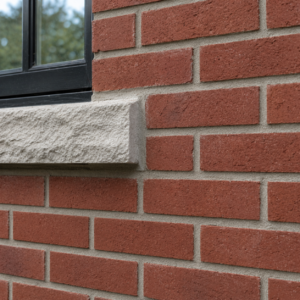
Homeowners often know something looks off, but they cannot always explain why. Strong masonry work tends to feel consistent. The joints look deliberate, the repair area blends into the original wall, and the finished result does not draw your eye to a single awkward section. Weak masonry work tends to do the opposite. The mortar colour is off, the joint thickness changes from spot to spot, or the replacement bricks look like they came from a different building.
Poor workmanship also shows up in shortcuts. Sometimes the contractor replaces the most damaged brick but ignores the surrounding mortar. Sometimes they patch a visible crack without explaining why it formed. Sometimes the repair looks acceptable at a glance, but the lines are uneven, and the finish does not match the rest of the wall. Those problems matter because they are often signs that the repair was done quickly rather than carefully.
Good workmanship is not perfection in the abstract. It is appropriate. The repair should suit the home’s age, the type of brick, the wall’s visibility, and the actual cause of the problem. That is especially important in Toronto homes where older masonry can be more sensitive to poor repair methods.
How to compare online reviews with real contractor proof
Reviews are useful, but they need context. A five-star review about polite service is nice, but it does not tell you whether the contractor matched the brick properly or solved the moisture issue behind the wall. A stronger review usually mentions specifics such as communication, workmanship, cleanup, timing, or whether the repair solved an ongoing problem.
You should also compare reviews with what the contractor actually shows and says. Do they explain the difference between repair and replacement? Do they seem comfortable discussing older homes, chimneys, or visible façade work? Do their service pages line up with the type of issue you have? Reviews work best when they support those signals, not when they replace them.
One of the most practical ways to use reviews is to treat them as a filter, not a final answer. They can help narrow the list, but the final decision should still come down to diagnosis, scope clarity, visible workmanship, and whether the contractor seems to understand the specific masonry problem you have.
Step-by-step: how to compare bricklayers well
Start with the wall condition
Before you compare contractors, try to understand whether you are dealing with brick replacement, repointing, chimney work, structural cracking, or a broader restoration issue. You do not need to diagnose it yourself, but you should know enough to tell whether the contractor is talking about the actual problem.
Compare scope, not just price
One contractor may be pricing a proper repair while another is pricing only a quick patch. That difference matters much more than the number alone. A lower quote is not more affordable if it ignores surrounding damage or leaves weak mortar behind.
Check whether the finish will matter visibly
Front walls, chimneys, porches, and older façades need better material matching and stronger finish quality than hidden utility areas. The more visible the repair, the more important the details become.
Ask whether the contractor works on older homes like yours
Toronto has many older brick homes, and they often need more thoughtful repair methods than newer properties. If your home is older or heritage-style, ask directly how the contractor approaches those projects.
Pay attention to how questions are answered
A good contractor usually does not sound defensive when you ask about matching, timing, or repair method. Clear answers are often one of the earliest signs of strong workmanship because they suggest the mason understands the wall well enough to explain it without overselling.
Why good reviews should support, not replace, real comparison
Reviews are useful when they reinforce what you already see in the contractor’s explanation, service range, and visible work quality. They are less useful when they are the only reason you trust a company. The better method is to treat reviews as one signal among several.
It is also worth remembering that homeowners often leave reviews based on how the project felt during the first few weeks. Masonry is different because some weak repairs do not fail immediately. That is one more reason to judge the contractor on scope, diagnosis, and finish quality, not just online praise.
If two contractors both seem well reviewed, the better tie-breaker is often which one gave the clearer explanation of the problem and the more realistic repair plan. In masonry, that usually matters more than the star average alone.
Local factors in Toronto that affect masonry quality
Freeze-thaw exposure is one of the biggest reasons poor masonry work fails early in Toronto. You can review a technical source on masonry durability here: NRC Canada’s freeze-thaw masonry resource.
Toronto’s maintenance expectations for exterior walls, chimneys, steps, and related structures can be reviewed here: City of Toronto Property Standards.
These local conditions matter because the same repair that might hold up for a while in a milder climate may not withstand repeated wetting and freezing in Toronto. That is why local masonry experience is more than a marketing line. It is often part of the difference between a repair that lasts and one that opens up again after winter.
Key questions homeowners ask about choosing bricklayers
Are good reviews enough on their own?
No. They help, but they should support a clear scope, good communication, and credible workmanship.
What is a better sign of quality than a low quote?
Accurate diagnosis, good material matching, and properly fitting repair work are stronger signs.
Should older homes be handled differently?
Yes. Older and heritage-style homes usually need more careful mortar and brick matching than newer properties.
Do good bricklayers usually handle more than one masonry service?
Often, yes. Contractors with a broader range of masonry services are usually better at seeing how brick, mortar, chimneys, and other exterior issues connect.
What should I do if two contractors tell me different things?
Look at how clearly each one explains the damage, the scope, and the likely cause. The stronger explanation usually points to the better diagnosis, not just the more confident sales pitch.
Is the cheapest quote ever the right choice?
Sometimes, but only if the scope is still complete and the contractor has clearly explained the problem. Cheap is not the same as good value if the repair has to be done again.
What to expect when you contact us
- You tell us what brickwork issue you have noticed.
- We arrange an inspection or estimate.
- We assess the masonry and explain what type of repair is needed.
- We provide a clear quote and recommended scope.
- We schedule the work and complete it with care and proper site handling.
When you are ready to discuss the next step, contact us.
Which bricklayers in Toronto are known for high-quality masonry work and good reviews?
The best bricklayers to consider are those who combine strong local masonry experience, clear diagnosis, careful material matching, and a service range that fits your home’s actual condition. Reviews can help point you in the right direction, but workmanship and repair judgment are what make the difference in the end.
If your Toronto home has visible brick damage, older mortar joints, chimney wear, or a repair area that needs to look right from the street, the best next step is to compare contractors based on what they actually understand about your wall. A good review may get your attention, but a thorough inspection and a strong repair plan should win the job.